People, Animals and Nature: The Restorative Power of Relationship
The 21st century is bringing greater awareness to the life-enriching interconnectedness between people, animals and the environment. Animal-assisted therapy, nature-based education and farm-based programs illustrate the diverse approaches social workers, educators, mental health practitioners, physicians and others are exploring and applying to enhance quality of life for all.
In the “living classroom” of Green Chimneys’ farm setting, learn best practices and exchange ideas with experts and peers in a wide range of professions that utilize animal-assisted and nature-based models. Participants will collaborate through interactive group work, discussions and hands-on learning with animals to facilitate the well-being of people, animals and the natural world through models that bring these elements together.
Who should attend?
Mental Health Professionals with an interest in the human-animal connection
Educators
School Teachers
Child and Animal Welfare Professionals
Veterinary Practitioners
Animal-Assisted Service Program Administrators
Advocates and Explorers of the relationship between people, animals and the environment
Pets are not permitted. Dogs or other pets are not allowed at the conference site. With 200 children and over 300 animals of many species on our campus, and in order to maintain a safe and cohesive environment in our school, at the farm, and in the wildlife center, we are unable to integrate personal pets into the conference. Even if your pet offers emotional support at other times, we thank you for respecting the needs of our community, including our animals, by leaving your companion at home. Service dogs have full access.
Conference Theme
The daily agenda will be guided by the main conference theme of People, Animals and Nature: The Restorative Power of Relationship. In particular, we will focus on these subject areas:
Innovations in human-animal and nature-based interactions
Embodying a sense of belonging for diverse stakeholders and practitioners
Exploring the concept of animal consent
Examples of methodologies for studying animal-assisted interventions (AAI), particularly evaluating outcomes
Introducing specific farm-based education and therapy options
Keynote Presentations
Attend informative and insightful presentations, including:
The Restorative Power of Relationship All-speaker panel led by Kevin Morris, PhD, and Michael Kaufmann
Diversity, Equity and Inclusion in Animal-Assisted Services: Obviously, I’m Not From Here – Embodying a Sense of Belonging with the Help of Horses Veronica Lac, PhD, LPC
Ecopsychological Praxis Towards an Informed Eco-Justice Framework Derrick Sebree, PhD
Understanding the Power of Relationship: Innovations in Human-Animal-Nature Interactions Megan Mueller, PhD
Training and Professionalizing for the Future Nina Ekholm Fry and Kevin Morris, PhD
Adopting a Restorative Mindset in Human-Animal Interaction Work: Connecting to Our Best Selves and to One Another Kristin Licardi, LCSW
Speakers
Leaders in the field of human-animal interaction share their expertise at hai2026.
Click on or tap an individual photo to learn more about a specific speaker.
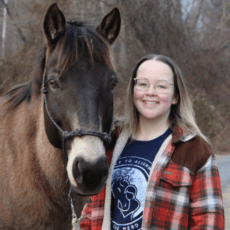
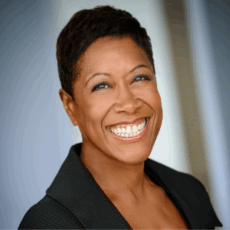
Veronica Lac, PhD, LPC
Veronica Lac, PhD, LPC
Founder and Executive Director, The HERD Institute®
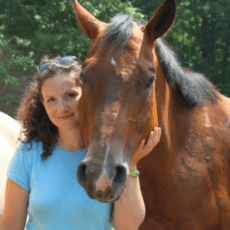
Dr. Veronica Lac, LPC, Founder & Executive Director of The HERD Institute®, has 25 years of experience as a corporate trainer and mental health professional, and is also a certified therapeutic riding instructor and equine specialist in mental health and learning. Building a sense of community and belonging is at the core of Dr. Lac’s philosophy of working with people.
The HERD Institute® offers training and certifications in Equine Facilitated Psychotherapy & Learning that incorporate a cultural competence framework. Dr. Lac is committed to diversity, equity, and inclusion and has worked on a range of racial and social justice initiatives, including being a Board member of The Humanitarian Alliance, and part of the American Psychological Association, Division 32 Diversity Committee and the Diversity, Equity & Inclusion Committee for PATH International. Dr. Lac offers DEI consultations and training to organizations both in the corporate sector and within the non-profit environment. She is passionate about research in the field of equine facilitated psychotherapy and has multiple publications internationally in peer-reviewed journals. Dr. Lac is the author of three best-selling books in the field of equine facilitated work and co-editor for an upcoming book, Evidence-Based Foundations of Existential-Humanistic Psychotherapy, published by APA.
Nina Ekholm Fry
Nina Ekholm Fry
Director of Equine Programs, Institute for Human-Animal Connection
Nina Ekholm Fry is the Director of Equine Programs at University of Denver’s Institute for Human-Animal Connection and is a faculty member in the Graduate School of Social Work and the Graduate School of Professional Psychology. She is the coordinator of the Human-Animal-Environment Interactions in Social Work specialization within the Master of Social Work program and leads the Post-Master’s Equine-Assisted Mental Health Practitioner Certificate program. For the past 15 years, her work has included animals in human services with a focus on equine interactions in psychotherapy and counseling.
Nina is a board member of the American Hippotherapy Association (AHA Inc.), past chair of the Certification Board for Equine Interaction Professionals (CBEIP) and previously served as the Chief Editor of the HETI Journal: International Research and Practice, published by the International Federation of Horses in Education and Therapy (HETI). Nina currently serves as an advisor to the State of Massachusetts Bureau of Substance Addiction Services on matters related to mental health services in green environments. Nina has a background as a mental health professional specializing in trauma treatment and neurodivergence, as a riding instructor (CHA), adaptive riding instructor (PATH Intl.), and equine behavior consultant. She has a particular interest in applied ethics and social justice perspectives within human-animal interactions and is actively engaged in national and international organizations for both human and equine wellbeing.
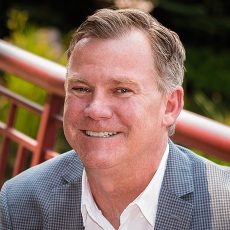
Kevin Morris, PhD
Kevin Morris, PhD
Chair and Research Professor, University of Denver, and Executive Director, Institute for Human-Animal Connection
Dr. Kevin Morris is the American Humane endowed chair and a research professor within the Graduate School of Social Work at the University of Denver. He earned his undergraduate degree in molecular biology from the University of California, Berkeley and his PhD in molecular biology and biochemistry from The University of Chicago. Dr. Morris spent 20 years conducting preclinical and clinical cancer research before adapting the focus of his work to improving human and animal health and welfare through scientific understanding of the human-animal bond. As executive director of the University of Denver’s Institute for Human-Animal Connection, he oversees its research and education programs. Dr. Morris’ research portfolio focuses on understanding how human-animal interactions affect individual and community health and welfare within a framework of equity for both humans and other species. He also serves on the Board of Directors for the Alliance for Contraception in Cats and Dogs and on the Core Scientific Advisory Board for Michelson Found Animals Foundation’s Michelson Prize and Grants. The overall goal of his efforts is to raise the health and welfare of both people and other animals within the One Health framework through innovative, in-depth research and education.
Megan Mueller, PhD
Megan Mueller, PhD
Associate Professor of Human-Animal Interaction, Cummings School of Veterinary Medicine at Tufts University
Dr. Megan Mueller is an Associate Professor of Human-Animal Interaction at the Cummings School of Veterinary Medicine at Tufts University. She is also directs the Pets and Well-Being Lab, and teaches in the M.S. in Animals and Public Policy program at the Center for Animals and Public Policy at Tufts. Dr. Mueller is a developmental scientist, and her research program focuses on exploring the complex interactions between companion animals and their families, with a particular interest in adolescent development and well-being. Dr. Mueller currently serves on the Board of Directors for the International Society for Anthrozoology, as well as on the Pet Partners Human-Animal Bond Advisory Board.
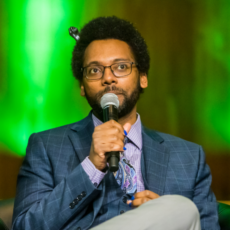
Derrick Sebree, PhD
Derrick Sebree, PhD
Masters Program Director, Michigan School of Psychology
Dr. Derrick Sebree is an American Descendant of Slavery (ADOS) and program director/core faculty member of the MA program at the Michigan School of Psychology. He graduated with his doctorate in clinical psychology from the Michigan School of Psychology in 2016. He has since conducted his clinical work in the Ann Arbor area, working with a variety of populations, with a focus on young college students and adults within the University of Michigan system. Dr. Sebree received his MECCA Certificate in Multicultural Counseling from MSU. He specializes in multicultural identity theory and counseling alongside ecopsychology/ecotherapy and climate psychology. Dr. Sebree has worked extensively with various social justice organizations in Detroit around food security and other environmental justice issues.
His teaching, clinical work, and mentorship emphasize Dr. Sebree’s community-oriented social justice praxis. Dr. Sebree has been an active Society for Humanistic Psychology, APA Division 32 member. Serving as a member-at-large, membership chair, and co-chair of the organization’s Justice, Diversity, and Inclusion Committee. Dr. Sebree also serves as a member-at-large and communications chair for APA Division 34, Society for Population, Environmental, and Conservation Psychology. Dr. Sebree serves on the Michigan Psychological Association Advocacy Task Force for mental health legislative advocacy and is a member of the APA Climate Advisory Group.
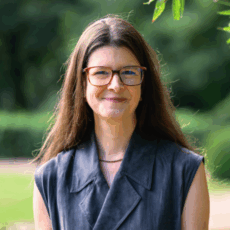
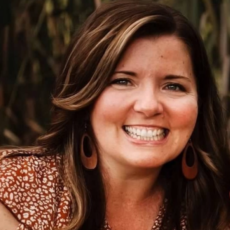
Becky Cobban holds a Master’s degree in Social Work from the University of Edinburgh and is a PATH International–certified Therapeutic Riding Instructor. She began her professional journey as an intern in the Green Chimneys Intern Program and later returned as an Equine Program Facilitator, deepening her experience in equine-assisted work. Now based back in Scotland, Becky works as an Equine-Assisted Learning Practitioner with Edinburgh Equilearn, a small community interest company. She is passionate about honouring horses’ choice and autonomy within sessions, and believes that learning through the horse’s responses and decisions offers powerful opportunities for individuals to gain insight, self-awareness, and personal growth.
Karin Hediger, PhD
Karin Hediger, PhD
Professor of Child and Adolescent Psychology, University of Lucerne and Professor of Anthrozoology, Open University Netherlands
Dr. Karin Hediger is Full Professor for Child and Adolescent Psychology at the University of Lucerne, Switzerland, and Endowed Professor for Anthrozoology at the Open University in the Netherlands. She completed her PhD in Rostock, Germany, and her habilitation in Basel, Switzerland, in the field of human-animal interaction. Dr. Hediger’s work focuses on clinical psychology and intervention research. Together with her team, she investigates the effects of animal-assisted interventions and mechanisms of human-animal interactions. She is a licensed psychotherapist and holds certification in animal-assisted therapy, a diploma in equine-assisted therapy and founded a centre for animal-assisted psychotherapy.
Dr. Hediger is the president of the Institute for Interdisciplinary Research on Human-Animal Relationship (IEMT Switzerland), founder and president of compas, the Institute for Nature- and Animal-Assisted Interventions, board member of the International Association of Human Animal Interaction Organizations (IAHAIO) and teaches internationally.
Suzanne M. Kapral
Suzanne M. Kapral
Care Farming Consultant and Director of Development, The Lands at Hillside Farms
Suzanne is a TEDxScranton speaker, an accomplished author, and a devoted advocate for children and farm animals. Her multifaceted career incorporates roles such as a Court-Appointed Special Advocate for Children (CASA) and a Farm Animal Welfare Auditor, demonstrating her commitment to both human wellbeing and ethical animal treatment.
As a respected advisor in farm-based interventions, Suzanne offers expert counsel across the United States on the creation, funding, and maintenance of farm based therapy programs. Her vision is to empower service providers to launch responsible initiatives that meld the therapeutic benefits of agriculture with the need for compassionate human services.
Suzanne’s contributions were critical in establishing the nationally recognized Care Farming program at The Lands at Hillside Farms, a historic, 438-acre, non-profit educational dairy farm located in Northeastern Pennsylvania. This initiative has been providing farm-based trauma services tailored to children’s needs, including those on the autism spectrum, since 2013.
Currently, Suzanne serves on the Green Care Advisory Board for the Massachusetts Department of Public Health Office of Youth and Young Adult Services Bureau of Substance Addiction. She’s also an Animal Welfare Auditor for A Greener World and mentors at Food Animal Concerns Trust. Her TEDxScranton talk, “How Cows and a Cornfield Helped Heal Childhood Trauma”, reveals her personal journey through childhood trauma, and how it fired her passion for initiating the Care Farming program at Hillside Farms.
Suzanne equipped herself academically with a Master of Science in Animal Behavior/Animal Welfare from the University of Pennsylvania School of Veterinary Medicine, paired with a Master of Science in Organizational Management from Misericordia University. This blend of animal behavioral knowledge and organizational savvy has shaped Suzanne into the compassionate subject matter expert she is today.
Sara Karlberg
Sara Karlberg
Therapy Dog Trainer, Author, and Lecturer
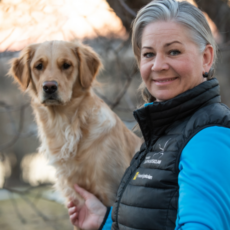
Sara Karlberg is a leading figure in the field of Animal-Assisted Services (AAS) in the Nordic countries. With a professional journey that began with a bachelor’s degree in Media and Communications from Södertörn University in Stockholm, she transitioned early in her career from TV photography into public health, rehabilitation science, ethology, psychology, and environmental psychology. In 2024, she completed her master’s thesis at the Swedish University of Agricultural Sciences (SLU), focusing on the role of school dogs in preventing absenteeism among students.
Sara is currently engaged in a collaborative research project with SLU and Uppsala University examining the health economic benefits of using school dogs to reduce school absenteeism. She regularly lectures at SLU on their master’s program in nature-based interventions and supports municipalities in developing guidelines for dogs in schools and care facilities. She is also a consultant for institutions seeking to integrate AAS into their operations.
In 2008, she trained her first therapy dog and founded the Swedish School for Therapy Dogs, which has since evolved into the Nordic Schools for Therapy Dogs, operating in Sweden, Norway, and Finland. Her organization offers comprehensive education for pet teams in AASP, AATx, and AAE, including a state-approved higher vocational training program in Animal-Assisted Education (AAE).
Sara played a vital role in developing the Swedish standard for training dog-handler teams in healthcare (2011–2013) and co-founded the Scandinavian Therapy Dog Association. She is a certified dog trainer with additional qualifications in behavior analysis, wellness training, puppy development, and consent-based methods that support sustainable working lives for social dogs.
Sara is internationally recognized through her board membership in IAHAIO (International Association of Human-Animal Interaction Organizations), where she leads the communications group. She has lectured globally, including on sustainable work for dogs at IAHAIO in Amsterdam (2018), and continues to be an advocate for animal welfare and evidence-based practice in AAS.
In 2018, together with her colleague Helena Eriksson, she published the book Animal-Assisted Interventions – Professionals Embrace the Power of the Dog, which was translated into English in 2020.
Dimitra Drago
Dimitra Drago
Animal-Assisted Services Professional and Emotional Education, Social-Emotional Learning, and Well-being Master’s Student, RIEEB Barcelona
Dimitra Drago has always been passionate about nature and animals and has over 17 years of experience in animal-assisted services. She is a certified therapeutic riding instructor. After earning a degree in Developmental and Educational Psychology at the University of Milano-Bicocca, she obtained a master’s degree in Animal-Assisted Activities, Animal-Assisted Education, and Animal-Assisted Therapy at the Catholic University of the Sacred Heart. She is currently attending a master’s degree in Emotional Education, Social and Emotional Learning, and Well-being at RIEEB Barcelona (International Network for Emotional Education and Well-being). She currently works with dogs, horses, donkeys, and farm animals and is involved in a wide range of nature-based therapeutic and educational programs, including visiting programs in nursing homes, residential facilities for people with disabilities, and hospitals; teaching farm programs; summer camps at the farm; educational programs about animals in schools and at the farm Cascina Selva; and animal-assisted interventions for children with special needs. She also teaches in animal-assisted services certification programs for mental health professionals and animal handlers and serves as a Regional Representative of the International Association of Human–Animal Interaction Organizations (IAHAIO).
Corinne Cooke, LICSW
Corinne Cooke, LICSW
Green Care Clinician and Assistant Clinical Director at ROOTS, Evergreen Grove
Corinne Cooke, LICSW, is a Green Care Clinician and Assistant Clinical Director at ROOTS at Evergreen Grove, a farm-based outpatient program supporting young people navigating substance use and mental health challenges. She holds a B.A. in Psychology with a minor in Animal Science from the University of Vermont, as well as a Master of Social Work and a Certificate in Human–Animal–Environment Interactions in Social Work from the University of Denver. With over a decade of experience working in the realm of human–animal connection, Corinne brings a multidisciplinary background in clinical social work, Green Care, animal welfare, animal behavior, and positive reinforcement training. Her practice is grounded in the belief that healing and thriving are relational processes that can be greatly supported through mutually beneficial interactions with the natural and non-human animal world.
Daphne Mobley, DVM
Daphne Mobley, DVM
Veterinarian, Motivational Speaker and Coach
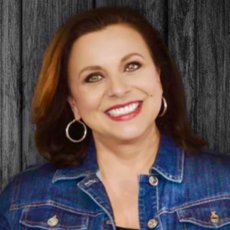
Dr. Daphne Mobley is a passionate veterinarian, motivational speaker, and coach dedicated to helping both people and animals to live healthier, more fulfilling lives. With extensive experience in veterinary medicine, she has devoted her career to providing compassionate care to animals while also guiding pet parents in fostering more meaningful bonds with their pets. As a motivational speaker, Dr. Daphne captivates audiences and shares powerful teachings on the impact that pets have on people’s lives, personal transformation, and the importance of pursuing one’s passion. Dr. Daphne is also a certified coach who specializes in helping professionals navigate career transitions, overcome self-doubt, and achieve their full potential. Her debut book, The Pet Effect: Healing and Learning Life Lessons from the Pets We Love, blends heartwarming stories of pets who helped their pet parents through challenging times with lessons that their pets taught them. Through her writing, coaching, and speaking engagements, Dr. Daphne continues to uplift and inspire.
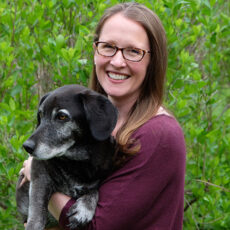
Aviva Vincent, PhD, LMSW
Aviva Vincent, PhD, LMSW
Assistant Professor of Social Work, Cleveland State University and Co-owner, Healing Paws LLC
Dr. Aviva Vincent, PhD, LMSW, is a Veterinary Social Worker, assistant professor of social work at Cleveland State University and co-owner of Healing Paws LLC. Her research focuses on the physiological impact of human-animal interaction. She has been a PATH Intl CTRI for 10 years with complementary credentials of ESMHL and Equine Services for Heroes. She is also credentialed in advanced Equine Facilitated Psychotherapy with the HERD Institute, and a Masterson Method practitioner. Aviva is an avid reader, all things outside, and mom to two small humans and one pup that keep her very busy and entertained.
Michael Kaufmann
Michael Kaufmann
Vice President of Nature-Based Programs & Director of The Ross Institute, Green Chimneys
Michael Kaufmann is the Vice President of Nature Based Programs and Director of The Sam and Myra Ross Institute at Green Chimneys. He directs all aspects of the nature-based therapeutic/educational programs. The Institute is dedicated to education, advocacy and research on the human connection to animals and the natural world. He serves on the board of the International Association of Human Animal Interaction Organizations (IAHAIO), is an advisor to the International Center for Anthrozoology, Norway, is on the advisory council of TAT Center for Human Animal Interaction, Vienna, Austria, Advisor to The Canadian Institute of Animal-Assisted Interventions, serves on the editorial board of People and Animals: The International Journal of Research and Practice, and is on the editorial board of the magazine GREEN CARE, Switzerland.
Kristin Licardi, LCSW
Kristin Licardi, LCSW
Chief Clinical Officer, Green Chimneys
Kristin Licardi is a Licensed Clinical Social Worker, and Hunter College School of Social Work graduate, with over 30 years of experience in behavioral health services for children and families. Mrs. Licardi began her early career in direct care in several mental health settings before settling in at Green Chimneys Children’s Services in Brewster, NY, where she has worked for the past 27 years. She held the Director of Social Services position for 17 years, where she directly impacted the programs and services provided to children and families, and trained clinicians, direct care staff, educators and parents, and for the past two years has overseen all clinical services at the agency as Chief Clinical Officer.
Mrs. Licardi has adapted and facilitated various training curriculum for the agency, including trauma, trauma-informed care, Dialectical Behavioral Therapy (DBT), suicide and non-suicidal self-injury, and threat assessment, and has presented at professional conferences, including the Association of Children’s Residential and Community Services (ACRC), the Leir Foundation Trauma Conference, and keynote for the University of Binghamton’s Let Us Dream Conference.
Miyako Kinoshita, MSEd
Miyako Kinoshita, MSEd
Assistant Director of Nature-Based Education, Green Chimneys
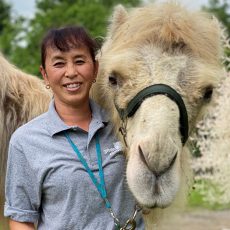
Miyako Kinoshita is Assistant Director of Nature-Based Education at Green Chimneys. She serves as the key facilitator for over 200 children with psychosocial disabilities currently in residential and day school, and facilitates and co-supervises a wide range of animal-assisted programs. She has a master’s degree in educational studies, and specializes in animal-assisted activity and animal-assisted education. She has over 20 years of working in direct service with children and animals as a PATH Intl. Certified Advanced Therapeutic Riding Instructor. Miyako is the former president of the Equine Facilitated Mental Health Association (EFMHA) and a former board member of PATH Intl., serving as chair of the board governance committee and as board secretary. Miyako was instrumental in reintegrating equine-assisted mental health programs back into PATH Intl. and is the 2025 recipient of the Association’s prestigious James Brady Professional Achievement Award. She is an author of several chapters in textbooks, including Handbook on Animal Assisted Therapy by Aubrey Fine, and a recognized presenter at conferences and institutions across the U.S. and abroad.
Skyler Opromolla
Skyler Opromolla
Farm Science Teacher, Green Chimneys
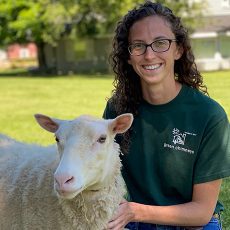
Skyler Opromolla is the Farm Science Teacher at Green Chimneys. She has always had a passion for conservation and animal welfare. Her background includes working in small animal veterinary medicine. After graduating from Siena College with a Bachelor’s of Science in Biology, Skyler began to work with livestock in a therapeutic educational setting. She enjoys helping students understand how to work with the animals and investigate how they interact with their environment and humans.
Danielle Zalewski
Danielle Zalewski
Animal Caretaker, Green Chimneys
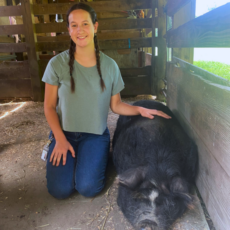
Danielle Zalewski is the Animal Caretaker for the Teaching Barn at Green Chimneys. As a graduate of the University of Connecticut with Bachelor’s in Animal Science, she gravitated towards finding a way to combine a passion for livestock with a mission to help people. She has a background in livestock and equine husbandry at independent farms as well as environmental management with US Fish & Wildlife. While heavily involved in the direct care of the livestock at Green Chimneys, she is also focused on guiding others into the practice of Animal-Assisted Activities (AAA) with livestock. Danielle currently is co-authoring an academic paper on the potential of sheep in human-service programs.
Poster Presentation Invitation
We are excited to invite poster presentation submissions about human-animal-environment interactions (HAEI) in two areas: research and practice. Research posters summarize research concisely to help publicize it and generate discussion. Practice posters communicate information about a practice concept or other content related to the conference theme/HAEI professional area.
A poster is a mixture of text and tables, graphs, pictures, and other presentation elements. The presenter stands or sits by their poster while other conference attendees view it and interact with the presenter.
We especially encourage students and professionals in their first two years in human-animal-environment interactions to submit posters for the conference.
Green Chimneys is the host venue. All hai2026 Conference activities will be held on the Brewster campus. Sessions will take place in various school buildings as well as on the farm and among animals.
Get an intimate overview and gain insight into the diverse nature-based programs that are integrated into Green Chimneys’ therapeutic day school and residential treatment center. Explore the wildlife rehabilitation center; a PATH Intl. accredited therapeutic equine program, a teaching barn and its farm animals, and two organic gardens.
This meeting is hosted by The Sam and Myra Ross Institute at Green Chimneys which was established in 2012 to deepen the vision and impact of its animal and nature-based programs by demonstrating how purposeful contact with animals and the outdoors can enhance formal therapies and traditional education, and sharing knowledge to bring continued growth and leadership to the field. The Institute is inspired by the remarkable work of Green Chimneys Founders Sam and Myra Ross and strives to honor their legacy through education, advocacy, and research.
Travel Information
Green Chimneys’ Brewster Campus is located in Putnam County, New York and is only an hour away from midtown Manhattan. Below please find travel information, which may be helpful in planning your trip.
Parking Free parking will be available to attendees. Signage onsite will direct you to designated attendee parking.
Hotel + Ground Transportation
Hotel with Conference Rate for Attendees
Hilton Garden Inn Danbury 119 Mill Plain Road Danbury, CT 06811 203.205.2000 (if calling, ask for “Green Chimneys Event”)
A block of rooms has been reserved at the Hilton Garden Inn for the HAI Conference at a rate of $149 per night. The rate is available for Thursday evening, April 24 and through Sunday, April 27th. Rooms at the conference rate are limited so it is suggested that you book early. Rooms in the block must be booked by March 25, 2026.
Check-in: April 23, 2025 Check-out: April 26, 2025 Must Book By: March 25, 2026
The Hilton Garden Inn is within walking distance of several casual restaurants, Starbucks, and other shops. The hotel also has a restaurant on the property.
Transportation to the Hilton Garden Inn Danbury
Shuttle Transportation
GO Airport Shuttle www.2theairport.com Reservations are required for shuttle service. When making your reservation, tell them that you are going to the Hilton Garden Inn Danbury, and they will make a stop at the hotel.
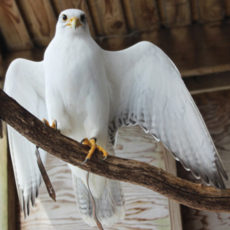
Crowned the best for falconry in medieval times, gyrfalcons were once reserved for kings. As the largest falcon in the world, with exquisite plumage ranging from bright white to deep charcoal, gyrs are revered for their powerful skill of flight...