Announcements

By Miyako Kinoshita, M.S. Ed., Green Chimneys Assistant Director of Nature-Based Education
When animals are given the freedom to make choices, to step away from interactions with students, and have their needs prioritized over human preferences, surprising lessons arise.
For Green Chimneys students, individual goals often include developing a sense of agency and effective decision-making. Such goals can be readily integrated into animal-assisted activities, through informal interactions and structured tasks. Observing animal responses in real-time encourages students to have a level of awareness of the animal, and of themselves. For staff facilitating activities, these are teachable moments for students, as well as caretakers working with the animals on a regular basis. The practice of animal consent fosters unique learning opportunities within animal-assisted education and therapy programs.
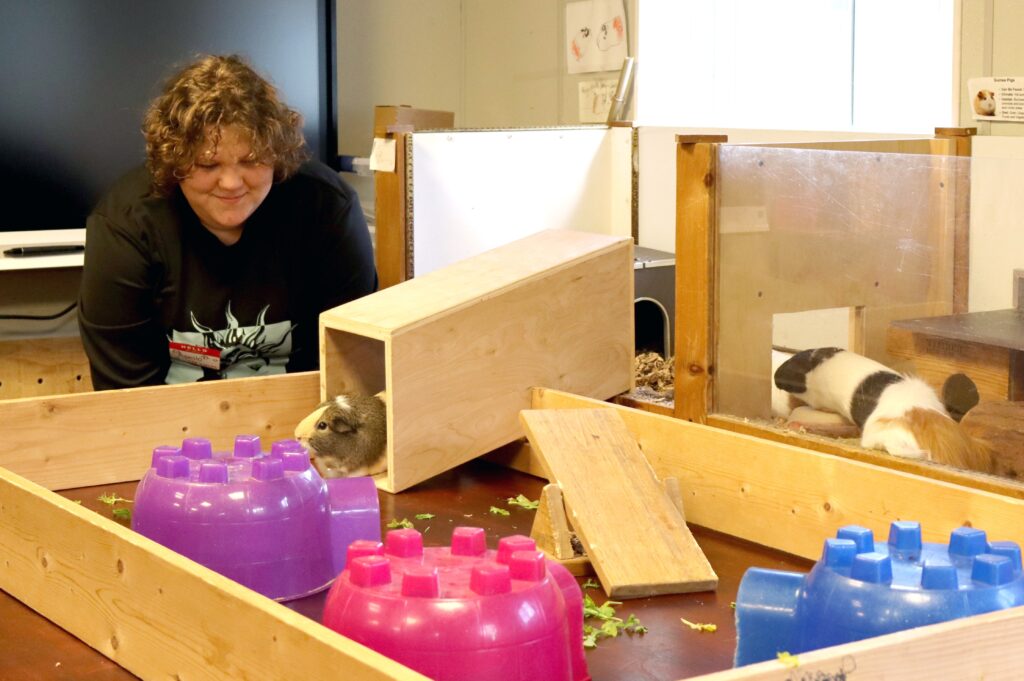
Green Chimneys student observes guinea pigs as they enter a play and exploration area for their enrichment.
At Green Chimneys, Dialectical Behavioral Therapy (DBT) supports our social emotional learning curriculum and serves as one of our clinical models for treatment. Working with animals in this context provides numerous opportunities for students to practice key concepts and skills that DBT aims to enhance. Core DBT skills, such as mindfulness, distress tolerance, interpersonal effectiveness, and emotional regulation teach children to understand and manage intense emotions, tolerate distress without acting out, communicate effectively, and build healthier relationships. These capabilities foster the resilience, self-esteem, and balanced thinking needed to navigate life’s challenges. These activities also increase empathy and sensitivity toward animals, which can serve as an essential developmental milestone for children.
When a child recognizes that their favorite goat is uninterested in interacting on a typical visit, they observe boundaries being set and learning to tune into others. In response, they must distinguish their own emotions from the goat’s, to depersonalize the situation, and broaden their understanding by considering the animal’s perspective. Similarly, by seeking consent prior to grooming a horse, students can practice interpersonal effectiveness, actively interpreting the horse’s reaction to determine what it wants. These experiences support recognition, acknowledgment and validation of another’s feelings or preferences and respecting their choices, even when they conflict with the student’s desires. Such exercises teach students to act kindly and patiently toward others to collaborate more effectively.
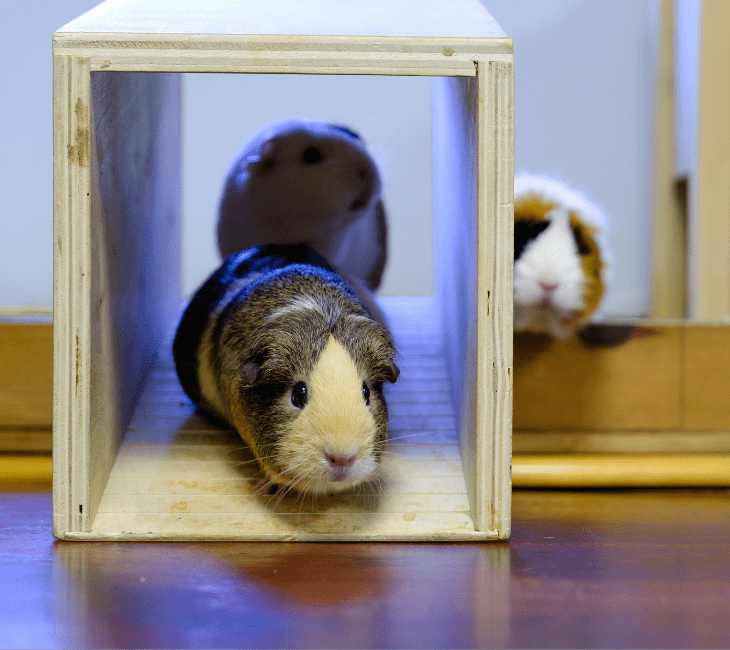
In work with smaller animals, a guinea pig may decide to leave and return to its habitat, which a student may initially perceive as rejection. However, this moment offers an opportunity to accept that other beings have needs that may differ from their own. It also encourages them to tolerate painful emotions and employ coping strategies. Managing feelings of disappointment when an animal behaves in unexpected ways can be challenging and deeply instructive. These interactions help children build resilience and learn important emotional skills in a safe and supportive environment.
Experiencing these situations with animals and managing the resulting feelings, provide an important transition to replicating healthy behaviors in interactions with peers, family members and in the classroom. Many students make great gains from their activities with animal partners, finding new and better ways to communicate, maintain focus, and create strong relationships.
This content appeared in Institute Insights, the official newsletter of The Sam and Myra Ross Institute at Green Chimneys. The Ross Institute serves as a model and training site for the varied facets of human-animal and nature-based interactions, grounded in evidence-based practices for implementing diverse and ethically responsible educational and therapeutic interventions and activities.
Join the discussion and subscribe to Institute Insights >