Announcements
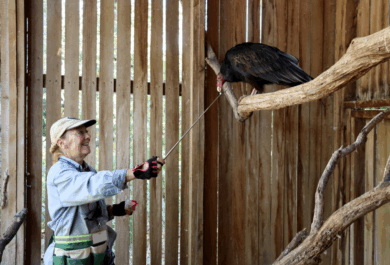

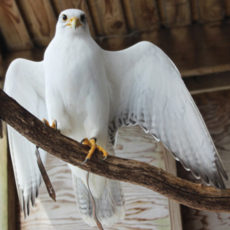
Each year, the Wildlife Center at Green Chimneys provides rescue, treatment and long-term care for injured, orphaned and distressed wildlife. We are licensed by both the NYS Department of Environmental Conservation and the U.S. Fish & Wildlife Service to rehabilitate Bald Eagles and other protected species. Our goal is always the same: return as many animals as possible to the wild.
In 2025, we cared for 205 wild animals across many species despite our late-start due to Bird Flu transmission concerns. Of these, 81 were successfully released. We transferred eight to partner organizations for specialized care and 22 animals will remain at Green Chimneys as permanent residents, where they contribute to wildlife education and therapeutic programming with our students. These animals help students learn about conservation, biology and animal behavior. Meeting birds of prey up close or assisting in preparing food or enrichment activities helps students understand the importance of protecting wildlife and respecting the natural world.
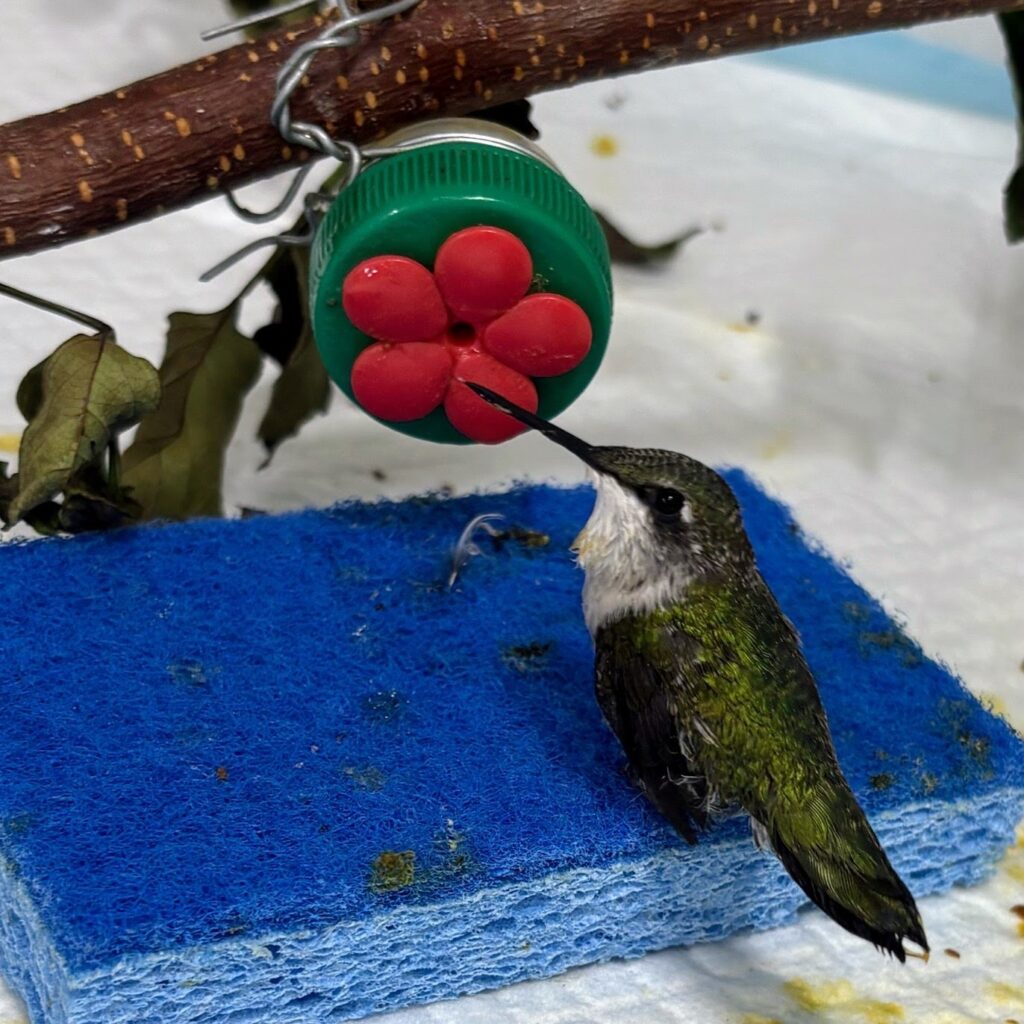
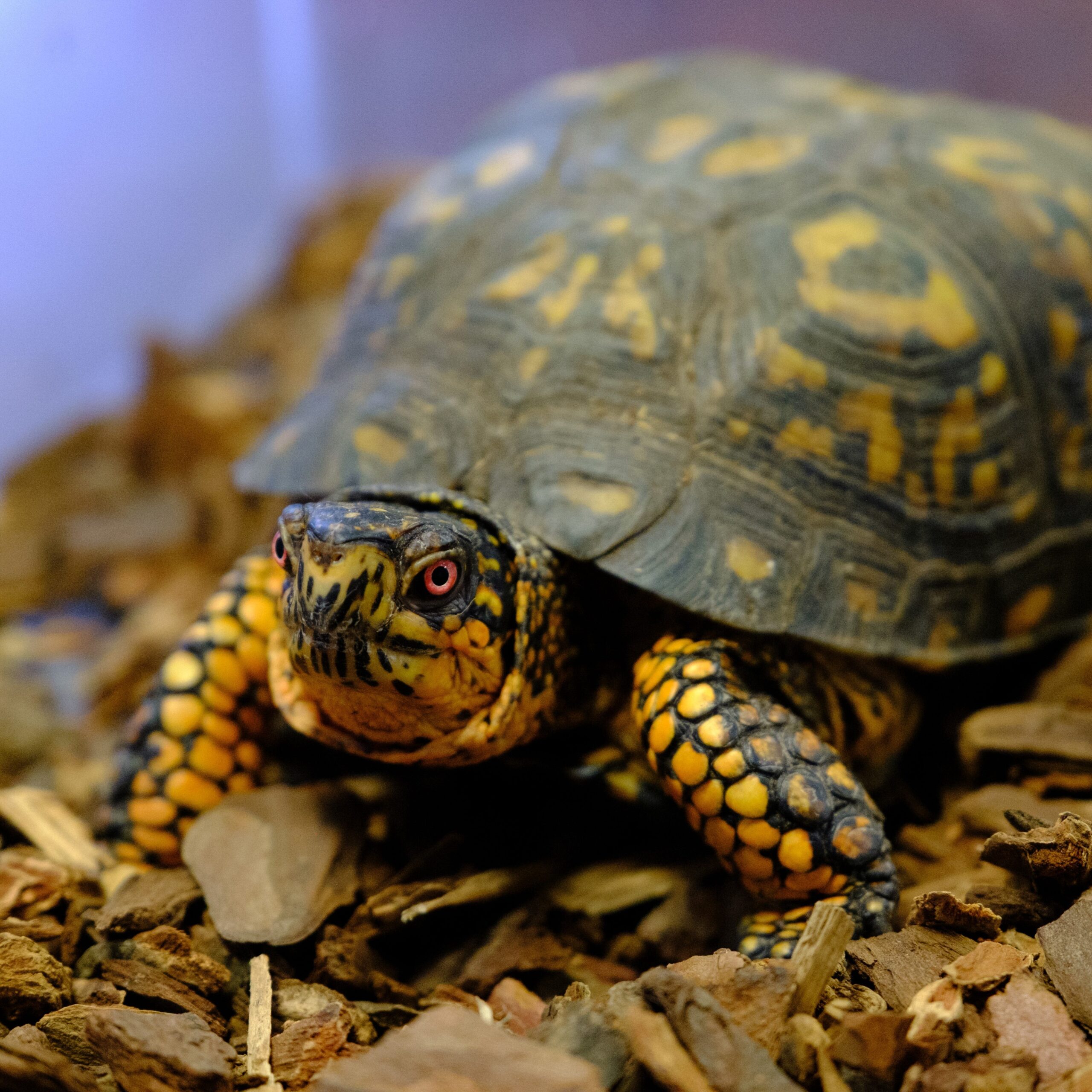
Rehabilitated species included everything from songbirds to birds of prey. Some included 14 Red-tailed hawks, 20 American robins, 11 pigeons, 15 House sparrows and even a Black-billed cuckoo. We were especially proud to release a Ruby-throated hummingbird and an American woodcock, both notoriously challenging to rehabilitate. Reptile patients included two Box turtles and one Painted turtle.

Animals now living permanently at the Wildlife Center due to injury or re-homed education or domestic animals include a starling, a kookaburra from the Bronx Zoo, four peahens, three Rouen domestic ducks, four species of finches, three parakeets, a barred owl, a Canada goose, a coopers hawk, a crow, a saw-whet owl, a Broad-wing hawk, a Ring-billed gull, and a mallard. A Bearded dragon and two Leopard geckos also joined the other reptiles residents at the Center. 22 Barn swallows will also remain and nest in the various barns at Green Chimneys.
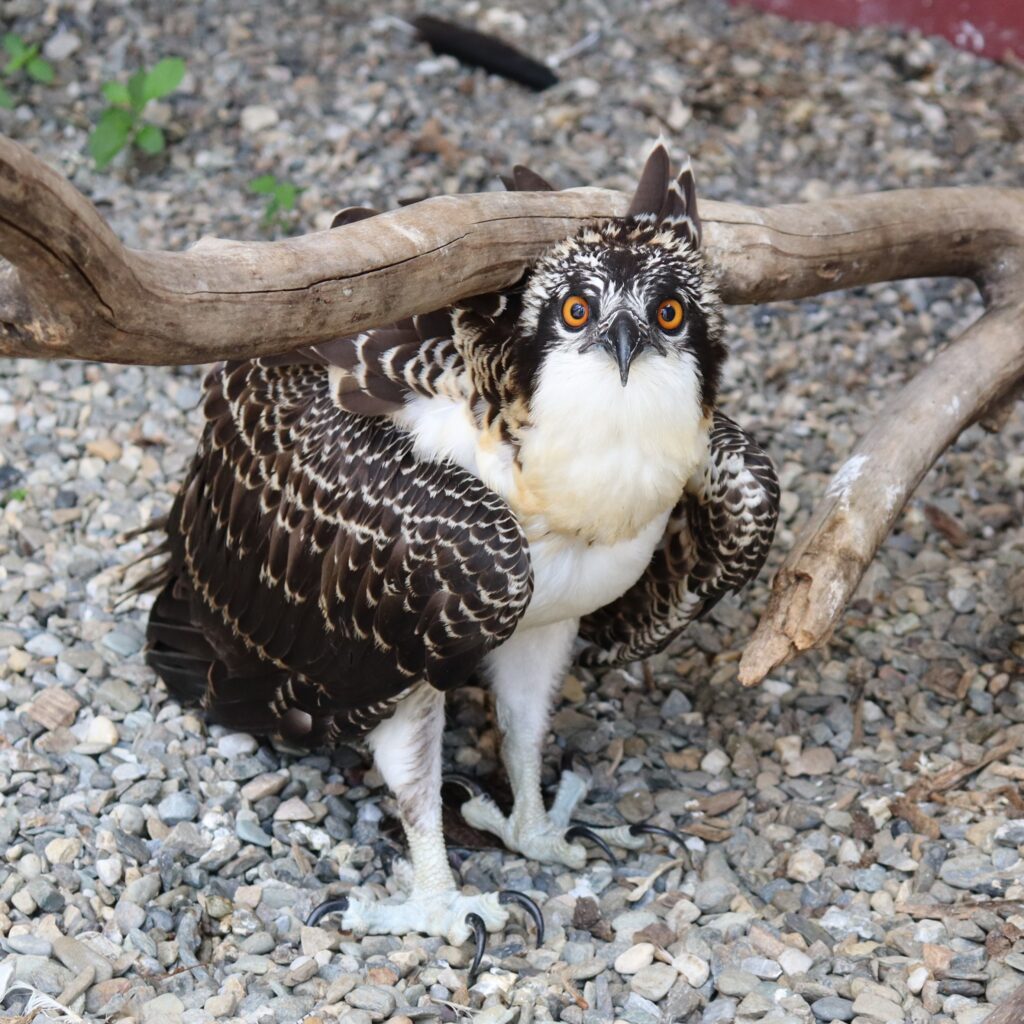
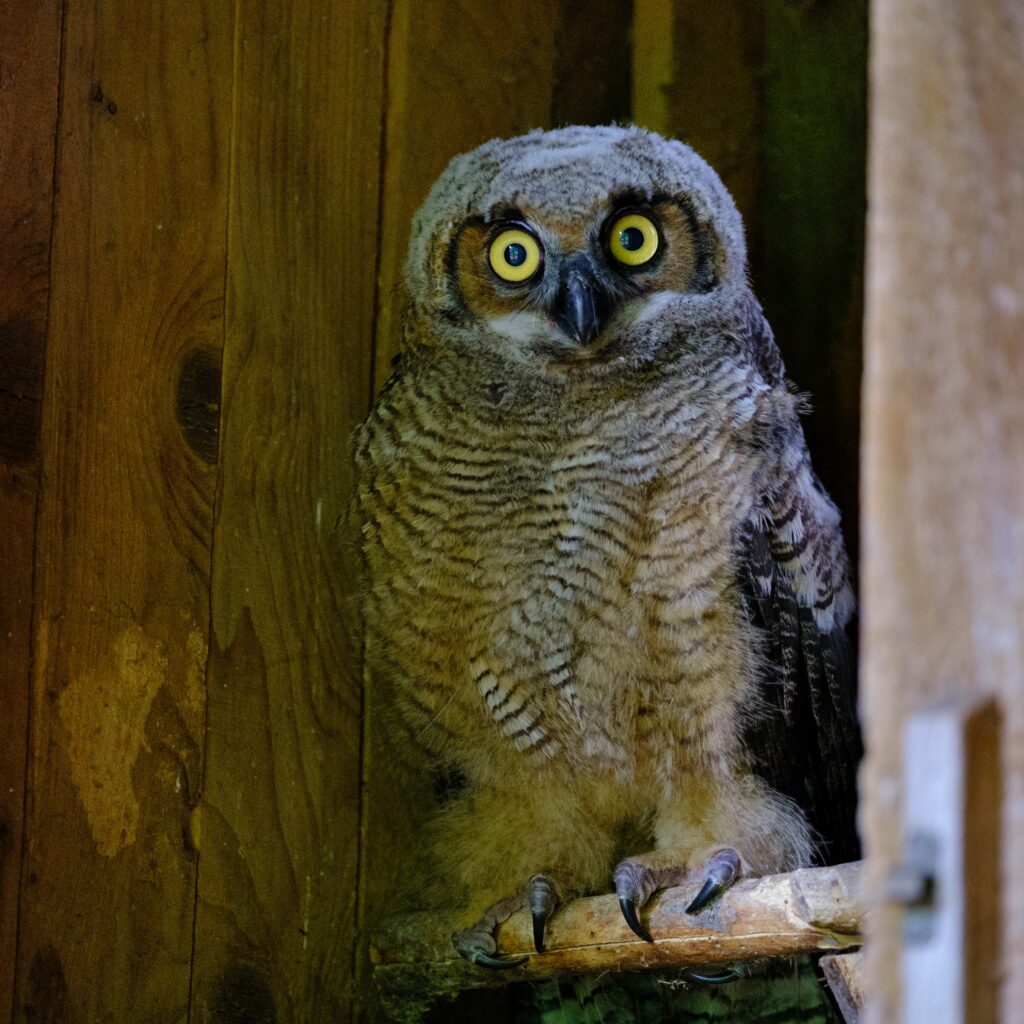
Others are “wintering over” until strong enough for release, including an Osprey, a Kestrel, a young Great Horned owl, a Red-shouldered hawk, and several ducks and gulls.
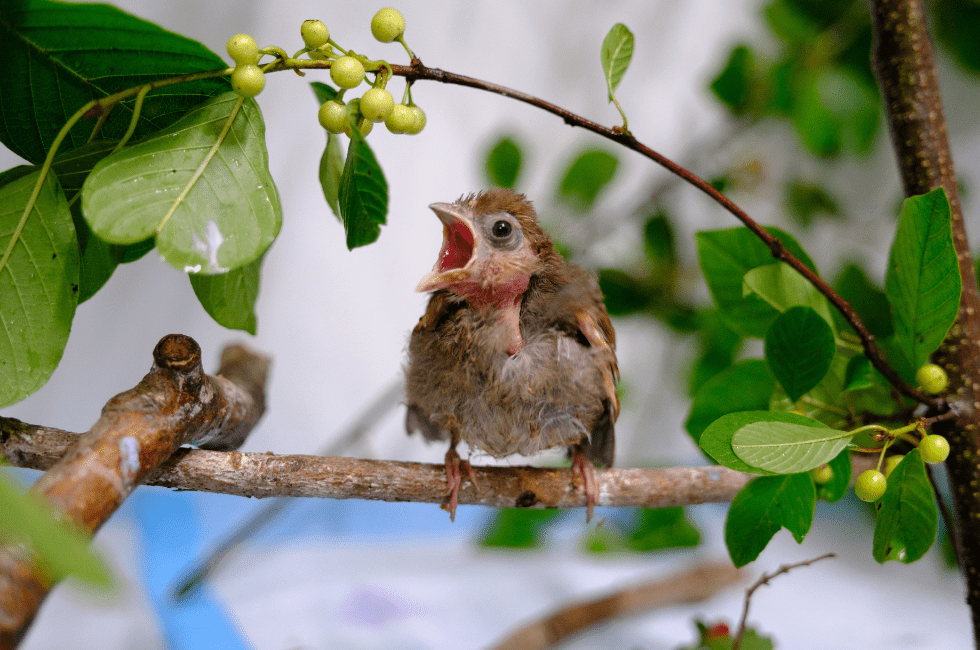
The most common causes of admission were vehicle strikes (38), window collisions (28), cat attacks (8), and young birds removed from the wild by well-meaning members of the public (44). We also treated animals injured by destroyed nests, fishing lines, glue traps and pool netting.
Many young animals brought to wildlife centers each year are not actually orphaned. Parents often leave their young alone for long periods, and human intervention can harm more than help. If you find a baby animal, observe from a distance before acting and never attempt to raise wildlife yourself. Learn more
The Wildlife Center at our Brewster campus is open to the public Saturdays and Sundays, 10am to 3pm. Visitors can meet our animal ambassadors and learn more about wildlife conservation. Plan your visit
Rehabilitation information as of 11/26/2025.