Announcements

Sunday, June 6, 2027
10:00am - 4:00pm
Watch This Space!
Planning is underway for our June event.
Enjoy live demonstrations from leading wildlife and environmental experts, including:
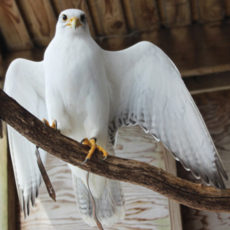
Green Chimneys’ renowned Farm & Wildlife Center is home to over 300 animals, including 50 birds of prey. An Andean condor; numerous hawks, falcons and owls; and several crows are under the care of expert wildlife staff. Spring always brings large numbers of fledgling birds that need care, and the goal is to return them to the wild as soon as possible. The students of the Green Chimneys School have some special needs of their own and through the rehabilitation and care of these animals, they learn compassion, encouragement, and the true meaning of stewardship.


Featured Image: The 2026 “Raptor Ambassador” for Birds of Prey Day is a female Swainson’s hawk. She was brought to the Green Chimneys Wildlife Center by a falconer/rehabber who found her as a juvenile lost on migration in New Jersey. The hawk had an injured keel (chest bone) and was nursed back to health but it was determined that the bird would not know how to properly migrate and would need a permanent home.
The Swainson’s hawk is a North American raptor typically found in the Midwest; it migrates long distances in winter, traveling all the way to Argentina. It’s also known as a “grasshopper hawk” because they love to chase and eat grasshoppers in fields, in addition to larger prey.