
Clinical Psychology Internship PDF Print E-mail

Goals of the Internship Program
The Green Chimneys internship has two primary goals. The first is to train our interns to become competent clinicians. This includes developing and augmenting existing skills in diagnostic interviewing, treatment planning, school consultation, psychotherapy and psychological assessment. The second goal is to assist interns to function as professional psychologists in a clinical, school or community setting. Interns will learn how to interact with other professionals as part of an interdisciplinary team. They will learn how to interface with schools and community agencies. Additionally, the interns will be exposed to general professional issues including cultural diversity and ethical functioning.

The Clinical Psychology Internship is open only to currently enrolled doctoral students in APA-approved programs in clinical, combined school-clinical, counseling and school psychology.  It is a one-year internship requiring 40 hours/week. The training year begins on or about July 1 and concludes at the end of June of the following year.

Training Curriculum

  • Interns are given the opportunity to conduct psychological, psycho-educational and neuropsychological assessments with a diverse population in a variety of clinical settings including residential care, day treatment, group homes and partial hospitalization.
  • Interns are given the opportunity to conduct individual, group and family therapy with children and adolescents falling within a broad spectrum of Axis I and II diagnoses.
  • Interns are exposed to a culturally diverse population including work with LGBTQ young adults.
  • Interns work as part of a multidisciplinary team that includes teachers, social workers, childcare workers and psychiatrists.
  • Interns are exposed to roles as consultants in a special education setting.
  • Interns learn about aftercare services and community resources through their work in the Social Services Department.
  • Interns attend professional presentations throughout the agency and have the opportunity to attend relevant seminars and workshops outside the agency. Time is allotted for attendance at professional conferences.
  • Interns have the opportunity to participate in ongoing staff research and to conduct their own research project within the agency.
  • Interns have the opportunity to present their own work at case conferences and continuing education seminars.
  • Interns are able to work closely with more senior staff through co-therapy. They have ample opportunity to observe staff conducting assessments, leading conferences and conducting consultations with other agency staff.

Training Activities
A set of clinical and didactic experiences is provided to the interns to help them achieve the goals of the program. Throughout the training year, the intern carriesfour psychotherapy cases from the Residential Treatment Center (RTC). The work with the children from the RTC entails the full spectrum of case management, including individual therapy with the child, family therapy, ongoing, daily consultation with the child care staff, and consultation with the child's psychiatrist and educational staff. The intern attends staff meetings, treatment meetings and case conferences in which the intern reports on the child's treatment and works collaboratively with the treatment team in the evaluation and development of treatment goals. The intern is supervised by senior psychologists and, separately, by a clinical social worker on issues related to the child's social service needs. Additionally, peer supervision is provided on a weekly basis for the RTC children.


The intern conducts approximately one comprehensive psychological or neuropsychological assessment each month for an annual total of no less than 12 assessments. Additionally, the intern conducts less comprehensive psychological updates that are periodically requested for discharge or other placement purposes. Careful selection of assessment cases is provided by the intern's supervisor and Training Director to ensure that they provide an opportunity for the intern to extend his/her assessment skills by assigning them children with diagnoses, cultural backgrounds, case histories, and complex assessment issues that are new and challenging for the intern. Supervision is provided by a senior psychologist and typically occurs throughout the assessment process in a one-hour, weekly session.

The interns are also provided with a choice of electives. These include work with LBGTQ youthat our GramercyResidence at Ungar Housein New York City; Community-Based Programs for runaway adolescents and those at risk for incarceration; and adolescents in our Residential Treatment Facility (RTF), which provides partial hospitalizations for severely disturbed patients. In all these settings, the intern is exposed to an intensive experience involving diagnostic interviewing, psychological assessment and a variety of psychotherapeutic approaches (individual, family, and group modalities) and interventions. As part of the treatment team in these programs, the intern participates in a variety of other professional activities, including consultation, case disposition, clinical research, program evaluation, and case conferences.


Didactic Training

The didactic training is an integral component of the training program and the interns' experience. At Green Chimneys, the interns participate in two weekly seminars that deal with important aspects of the interns' professional development.

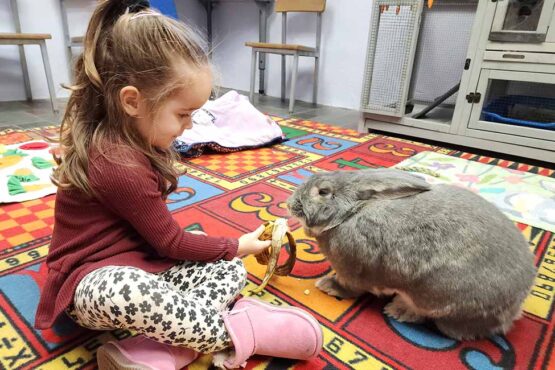
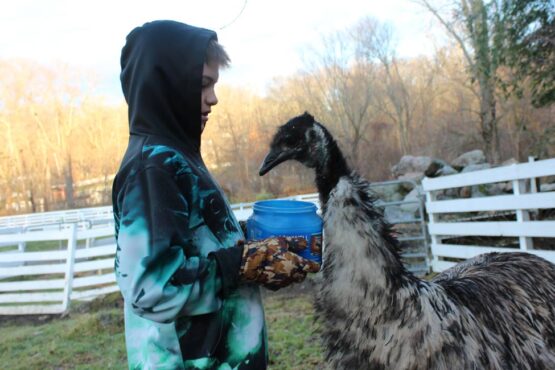
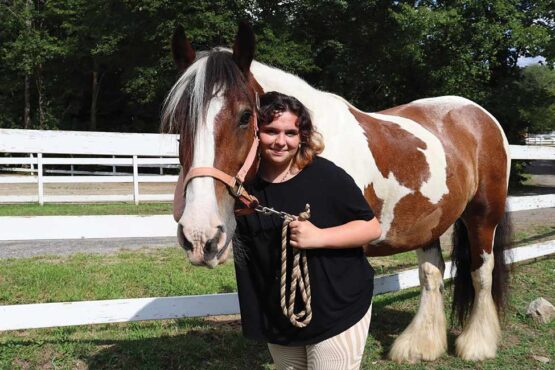
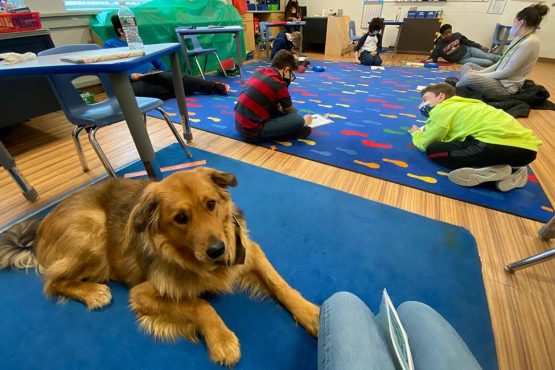
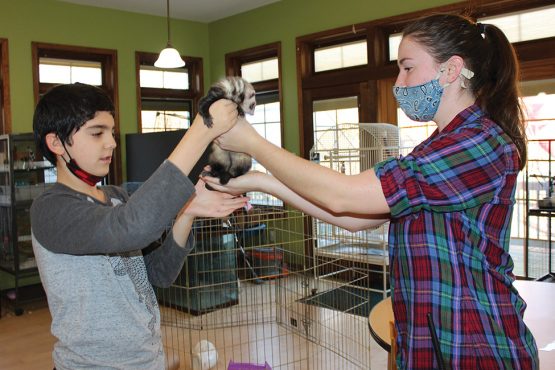
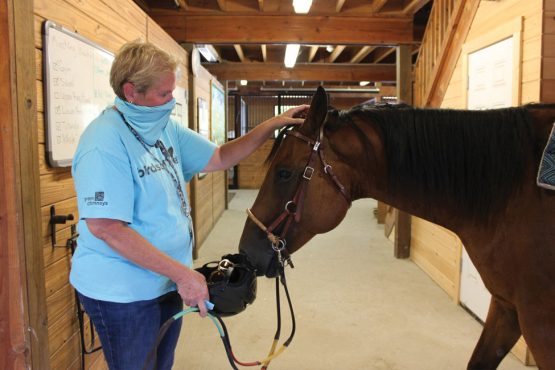
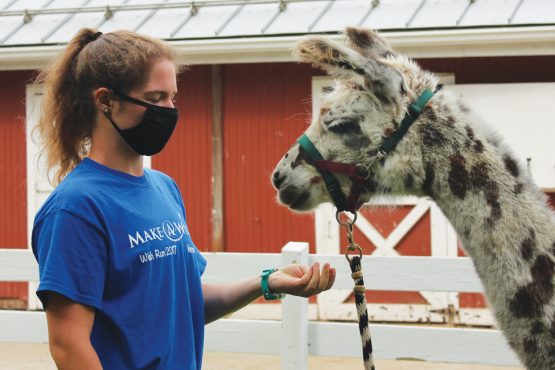
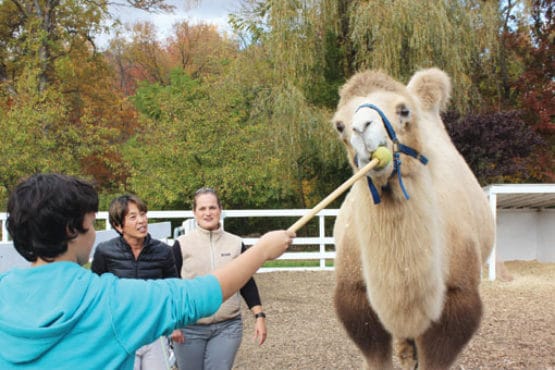
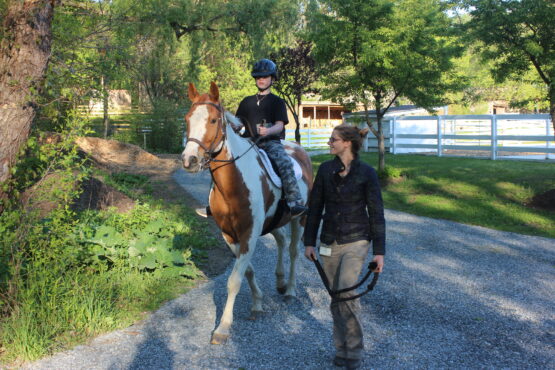
The Clinical Seminar includes discussions of ethical standards, clinical work in forensic settings (such as conducting child custody evaluations and pre-employment psychological evaluations of applicants for positions in law enforcement), animal-assisted therapy and animal-assisted activities with abused children and children with autistic spectrum disorder, advances in psychopharmacology with children and adolescents, alternative medicine approaches, family therapy and individual therapy with abused and adopted children, treatment of children diagnosed with PTSD, and work with LBGTQ youth, among other important clinical topics. The seminar topics are presented by psychologists, psychiatrists and other clinicians in and outside the agency who have extensive experience in these subjects. The seminar also includes topics in clinical research at which the interns present their research.

The Assessment Seminar, which also meets weekly throughout the training year, has two components: presentation of challenging issues in the assessment of children and adoloescents and formal training in psychological and neuropsychological assessment. Topics in clinical neuropsychology include:
  • an overview of clinical neuropsychology
  • a description of the procedures in a neuropsychological examination
  • interpretation of neuropsychological examination data
  • diagnostic issues
  • assessment of memory and memory tests and batteries
  • assessment of executive functions
  • assessment of verbal functions and language
  • assessment of visual, auditory and tactile perception
  • assessment of concept formation and reasoning
  • assessment of motor and sensory functions and the apraxias
  • assessment of orientation and attention

In addition to training in neuropsychological assessment, the assessment seminar provides training in

  • standardized measures of personality assessment, including the MMPI-2, the MMPI-A, the 16 PF, and Personality Assessment Inventory
  • projective measures
  • assessment of intellectual functioning, including the evaluation of young children, children from different cultures, the aged, non-verbal tests of intelligence, and dementia rating scales

In addition to clinical and assessment seminars, the interns participate in a year-long agency training program that deals with diverse issues, such as working with violent and aggressive children, alternatives to physical restraints when dealing with a child in crisis, and the nature of inpatient psychiatric hospitalizations of children.

The interns also attend an interdisciplinary clinical case conference each week throughout the training year. These conferences focus on diagnostic and treatment issues and are attended by a psychologist supervisor, a child psychiatrist, social worker, teacher and, occasionally, the child and/or parents. As an important member of the treatment team, the intern collaborates with other clinicians and staff members in evaluating and modifying the child's treatment plan .

Clinical Population
The Residential Treatment Center (RTC) consists of 88 children ranging in age from 6-13. There are currently 80 beds for boys and 8 beds for girls. The children have histories of behavioral, emotional and learning difficulties. Most referrals are from local school districts that cannot adequately serve them in their current school and home placement. The majority of these children have multiple Axis I diagnoses, primarily behavioral and affective disorders. The majority of these children have significant academic delays and histories of prior psychiatric hospitalizations. The RTC population is ethnically and economically diverse.

The Day Program hasapproximately 104 children ranging in age from 6-18. Admission histories are quite similar to the RTC. Despite their school difficulties, however, these children have been able to be maintained at home.

The Residential Treatment Facility (RTF) is a 14-bed unit serving seriously emotionally disturbed adolescent males. This program is licensed by OMH and is staffed at the level of a partial hospitalization program. These residents have all had prior experience in lower level residential care. The RTF treats children who, because of the severity and persistence of their psychiatric issues, require a greater level of supervision.


Period of Training
The internship requires a full-time commitment (40 hours/week) for one calendar year. The training year begins on or about July 1 and concludes at the end of June of the following year.


Requirements for Application Qualified applicants meet the following criteria:

  • Current enrollment in an APA-approved doctoral program in clinical, school or counseling psychology
  • Completion of a minimum of three years of graduate work and all required course work.
    Dissertation proposal must be approved and Comprehensive Exams must be passed by the start of the internship.
  • Interest in clinical work with children and adolescents from diverse cultural backgrounds.
  • Supervised clinical experience delivering psychotherapy and psychological testing services.

Members of ethnic minorities are encouraged to apply and may voluntarily indicate minority status in their application materials.

The internship site agrees to abide by the APPIC policy that no person at this training facility will solicit, accept or use any ranking-related information from any intern applicant prior to uniform notification day.


Procedures and Deadline For Applications

The clinical psychology internship is open only to currently enrolled doctoral students in APA-approved programs in clinical, combined school-clinical, counseling and school psychology. ALL applications must be submitted through the Association of Psychology Postdoctoral and Internship Centers (APPIC).Visit www.appic.org for details.

This e-mail address is being protected from spambots. You need JavaScript enabled to view it " mce_href="mailto: This e-mail address is being protected from spambots. You need JavaScript enabled to view it ">Jay Davidowitz at 845-279-2995 x356

< >< >< >< >< >< >< > < >< >< >< >< >< >< >< >< >< >< >< >< >< >< >< >< >< >< >< >

< >< >< >< ><-->

Last Updated on Monday, 20 February 2012 20:08